Where Polyjacking Wins
Interior slabs, weight-sensitive bases, pool decks — where foam beats traditional mudjacking. When to choose limestone slab-jacking instead.
Our team understands how frustrating it is to spot a new trip hazard on your property. That sinking concrete usually means the soil underneath has shifted and washed away. We are Concrete Leveling Detroit, and our crew is committed to delivering superior concrete restoration and leveling solutions for residential and commercial clients.
Daily site visits reveal that many homeowners are confused by the different repair options. We know the real secret to a permanent repair lies in understanding the polyjacking best applications for your exact situation. The hard data shows exactly how these materials perform side-by-side.
We created this guide to outline exactly when to use foam injection and when to stick with traditional methods. For the full breakdown of our polyurethane foam injection service, see the dedicated service page.
Foam wins in these applications
Polyjacking is the superior choice for areas requiring a lightweight material and a fast curing process. Our polyurethane foam expands to fill hidden voids without adding massive stress to the ground below.
Interior slabs (basements, garage floors)
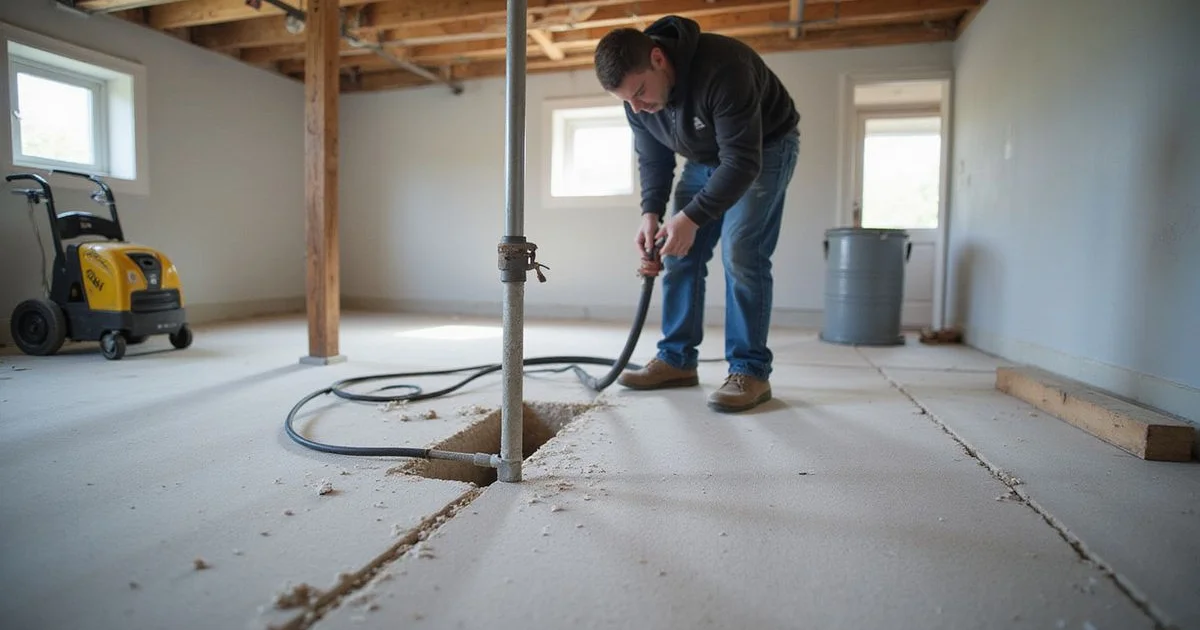
Foam is incredibly lightweight and prevents heavy loads on a compromised sub-base. Our installation process works perfectly for tight interior situations. The liquid material injects easily through very narrow ports.
We drill injection holes that are only 5/8 of an inch wide, which is about the size of a penny. Traditional mudjacking requires massive two-inch holes that leave highly visible patches across your floor.
Our high-density foam cures in just 15 minutes. You can walk on the basement surface almost immediately.
Weight-sensitive sub-bases
Older slabs sitting over questionable sub-soil simply cannot carry the extreme weight of traditional slurry. Our foam goes in light, lifts the concrete gently, and stays completely stable over time.
The numbers make the advantage of polyjacking vs other methods incredibly clear for delicate jobs. We rely on polyurethane foam because it weighs only two to four pounds per cubic foot. Mudjacking slurry weighs a staggering 100 pounds per cubic foot, which will quickly crush weak soils and cause further sinking.
Our comparison table highlights the dramatic differences between the two materials.
| Feature | Polyjacking (Foam) | Mudjacking (Slurry) |
|---|---|---|
| Material Weight | 2 to 4 lbs per cubic foot | 100+ lbs per cubic foot |
| Injection Hole Size | 5/8 inch (penny-sized) | 1 to 2 inches (soda can width) |
| Cure Time | 15 minutes | 24 to 48 hours |
Pool decks and lakeside applications
Polyurethane is highly water-resistant by its very chemistry. Our foam will never wash out under chlorinated pool water or harsh lakeside waves.
The material expands and creates a waterproof structural barrier beneath the concrete. We see many traditional slurry jobs fail near the water because the mud simply dissolves and erodes. A solid piece of hydrophobic foam ensures your pool deck stays perfectly level for years.
Tight access
Smaller equipment easily fits into spaces where heavy slurry pumps simply cannot go. Our compact trucks and long hoses are ideal for backyard pool decks and tight side-yard walkways.
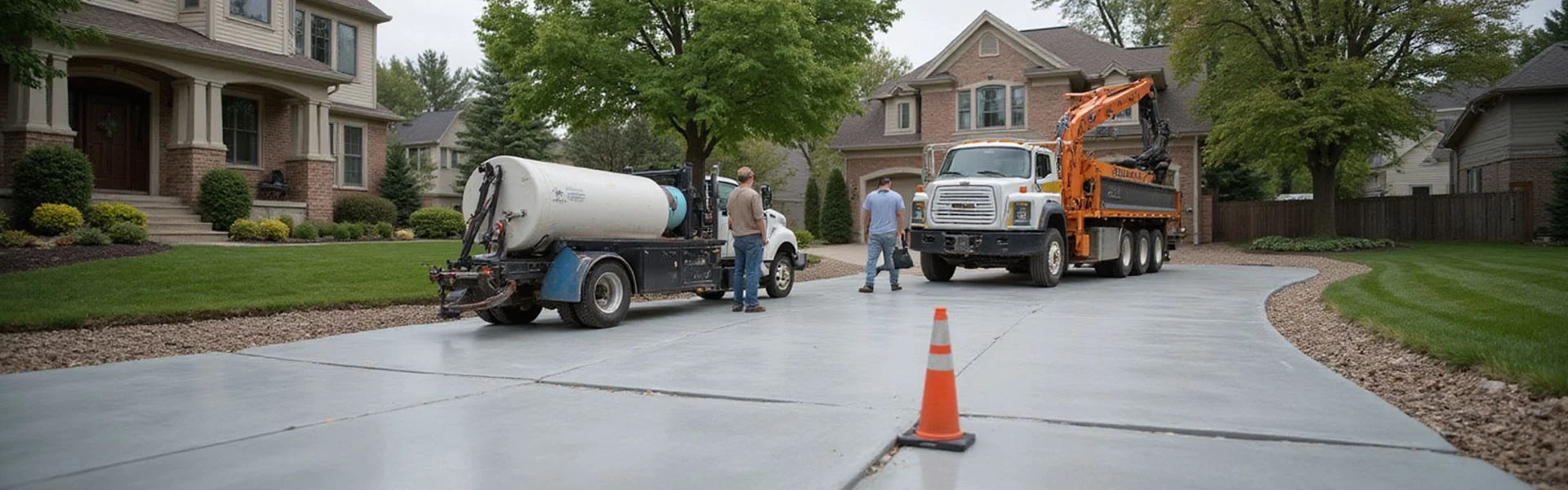
The standard mudjacking setup requires bringing bulky machinery very close to the repair site. We can park our rig on the street and run a hose directly to your sunken patio. This approach protects your landscaping and prevents heavy tire ruts in your grass.
When mudjacking is preferable
Traditional mudjacking is sometimes the better option for massive exterior projects with very deep voids. Our team recommends this older method when maximum volume and load capacity outweigh the need for a delicate touch.
Cost is a major factor in 2026, with mudjacking averaging $3 to $6 per square foot across the US. We know that polyjacking costs more upfront, usually running between $5 and $25 per square foot.
The cheaper slurry mixture makes sense when you need to fill massive holes on a strict budget. Our experts often suggest mudjacking for the following specific situations:
- Heavy exterior driveways with deep settling
- Commercial parking lots with massive voids
- Slabs on clay-heavy sub-soils where the volume of fill is exceptionally large
These demanding jobs are where our 100% limestone-and-foam hybrid wins on pure volume and load capacity.
Hybrid approach for tricky jobs
Some properties require a customized solution to address severe settling. Our hybrid technique combines the best features of both materials to create a permanent, cost-effective fix.
Many Metro Detroit jobs sit on top of montmorillonite clay, which expands when wet and shrinks when dry. We frequently see this constant soil movement create massive, complicated voids under local driveways and foundations.
A combined method is the smartest way to tackle this severe clay-related damage. Our specialists will typically apply both methods sequentially to ensure maximum stability:
- Limestone-foam fills the deep void at the bottom (providing high volume and rigid stability)
- Polyurethane foam tops off the area near the slab (offering precise lift control and a lightweight finish)
Accurate pricing requires that we diagnose the exact soil condition on-site. You can read more about these specific methods by checking out our detailed guide on mudjacking vs polyurethane foam. Our crew also breaks down specific use cases in this article on where slab-jacking wins.
The right leveling strategy will save you money and protect your property from future damage. Our team is ready to evaluate your sunken concrete and recommend the perfect repair plan.
Reviewing the polyjacking best applications against your specific soil type is the first step toward a flat, safe surface.
We encourage you to reach out and Request a free estimate.
Common Questions
Quick answers from our Metro Detroit crew.
Is foam OK for my driveway?
What about basement floors?
More from this topic
How Polyurethane Foam Lifts Concrete
Two-part polymer reaction, expansion behavior, 15-minute set time, load-bearing capacity post-cure. The science behind polyjacking.
Polyurethane Foam Lifespan: What to Expect
Material durability, water and chemical resistance, factors that affect lifespan, and our written warranty terms.
Have a slab to lift? Let's take a look.
Free, no-obligation on-site estimate. If we can't fix it, you don't pay.