Concrete Maintenance Checklist for Property Managers
Annual inspection checklist, freeze-thaw prep timing, joint reseal schedule, void inspection cadence — by property type. Free download.
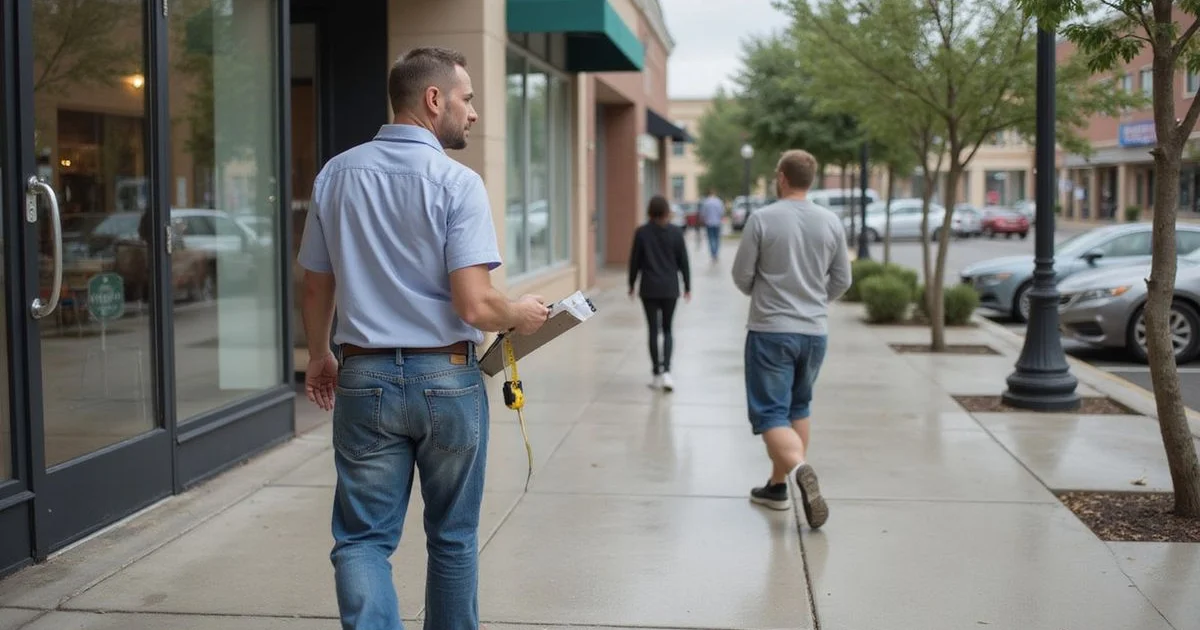
A maintenance program for parking lots, walkways, ramps, and warehouse floors. Use this annually.
Concrete Leveling Detroit provides superior concrete restoration and leveling solutions for residential and commercial clients. Our team sees property managers surprised by how quickly a small crack turns into a major liability.
Water infiltration is the true enemy of any slab.
Those tiny seasonal shifts cause massive structural damage beneath the surface. We created this concrete maintenance checklist commercial guide to help you get ahead of the elements. Let’s review the exact data driving these failures and outline a practical schedule for your property.
Monthly walkthrough: Concrete maintenance checklist commercial
A monthly walkthrough requires a visual scan of all accessible routes to document new hazards and pooling water. We recommend carrying a tape measure and a smartphone to log any changes immediately.
According to ADA Section 303.2, any vertical change in level exceeding 1/4 inch is a trip hazard. This measurement is a strict legal threshold for compliance on public walkways and ramps.
Our technicians often find that catching these 1/4-inch offsets early prevents expensive full-slab replacements later. Catching a small issue now saves thousands of dollars down the line. Look closely at the joints where slabs meet the foundation.
During your monthly scan, focus on these specific items:
- Walk every accessible route on the property
- Photograph any new vertical offsets over 1/4 inch
- Note pooling water at slab joints
- Check curb cuts and ADA ramps for compliance
- Monitor downspouts discharging directly onto concrete surfaces
Quarterly deep inspection
Your quarterly deep inspection involves physically measuring offsets, documenting changes, and checking the integrity of your joint sealant. We advise using a rigid steel ruler to get an accurate read on vertical shifts.
Eyeballing a gap simply does not provide the verifiable data needed to track active settlement. Polyurethane sealants like Sikaflex typically last 5 to 7 years in commercial settings.
Our crews look for early signs of sealant failure like pull-away or hardening during these checks. Catching a failed joint before the rainy season stops water from washing out the soil below. Inspecting the drainage paths around your slabs is equally important.
- Measure offsets with steel ruler
- Document changes from prior quarter
- Check joint sealant condition (cracks, pull-away)
- Inspect drainage around slabs
Annual deep audit (typically March, post-winter)
An annual deep audit in March assesses the total damage inflicted by winter storms and sets the stage for spring repairs. We schedule these audits to catch the fallout from severe temperature drops.
Data from the University of Michigan indicates this region experiences 40 to 60 freeze-thaw cycles per year. De-icing salts like calcium chloride make the situation worse by drawing extra moisture into the porous concrete.
Our annual property manager concrete inspection identifies areas compromised by this harsh cycle. The goal is to finalize a repair budget and schedule leveling work before the busy summer season begins. Make sure you do a complete walk of the property.
- Full ADA-compliance walk
- Joint sealant inspection
- Drainage / downspout inspection
- Schedule any leveling or sealing work for spring/summer
Freeze-thaw prep (October)
October freeze-thaw prep focuses on sealing open joints and clearing drainage paths before the ground freezes. We stress the importance of sealing the concrete before the first frost hits Metro Detroit.
Water expands by approximately 9 percent when it freezes inside concrete pores. This expansion generates immense internal stress that literally breaks the slab apart from the inside.
Our technicians prioritize clearing drainage paths to keep standing water away from vulnerable joints. Sealing these gaps prevents the winter cycle from turning a minor crack into a major hazard. You must address any pending leveling work before the frost line sets deep into the soil.
- Inspect all joints before first freeze
- Reseal any joints showing pull-away or cracking
- Clear drainage paths to prevent water pooling at slabs
- Schedule any pending leveling work before frost lines set
Joint reseal schedule
A proper joint reseal schedule depends entirely on the traffic volume and environmental exposure of the slab. We evaluate each property to determine the most cost-effective maintenance timeline.
Silicone sealants can last up to 20 years in indoor warehouse settings. High-traffic outdoor joints sealed with standard polyurethane often degrade in just 3 to 5 years.
Our crews install a foam backer rod in any gap wider than 1/2 inch to prevent the sealant from failing prematurely. This simple addition stops three-sided adhesion and allows the sealant to stretch naturally. Review the frequency guidelines below to see where your property fits.
| Property Type | Expected Lifespan | Primary Wear Factors |
|---|---|---|
| Industrial / warehouse | Every 3-5 years | Forklift traffic, chemical exposure |
| Retail / office | Every 5-7 years | High sun exposure, foot traffic |
| Residential / HOA | Every 7-10 years | Standard weather cycles |
See our how often to reseal concrete joints guide for more specifics on materials.
Void inspection cadence
Commercial slabs in clay-heavy areas require a professional void inspection every 3 to 5 years to detect hidden erosion. We probe through 3/8-inch ports to visually identify washout risks beneath the surface.
Metro Detroit sits on soil with a high concentration of expansive clay. This soil has extreme shrink-swell properties that react aggressively to moisture changes.
Our specialists know that when this clay dries out during August droughts, it shrinks and leaves massive air pockets under the concrete. Heavy traffic then cracks the unsupported slab from above.
Watch for these warning signs of hidden voids:
- Hollow sound when struck or driven over
- Sinking or settling along the foundation line
- Unexplained cracking during dry summer months
Homeowners dealing with sunken driveways, cracked patios, or unlevel pool decks who want to restore their property experience this same shrink-swell phenomenon.
Regular testing prevents these sudden failures.
When to call us
You should contact a professional the moment you notice significant shifts, water pooling, or hollow sounds under the slab. We respond quickly to mitigate safety risks and prevent further structural decline.
A hollow echo under a forklift usually indicates a dangerous void is forming. Delaying repairs on these weak spots leads to expensive emergency replacements.
Our team provides targeted commercial concrete maintenance solutions that are far cheaper than pouring new concrete. Look closely at your property for any of the warning signs listed below.
Call when you see:
- Multiple new offsets over 1/4 inch
- Pooling water that wasn’t there before
- Visible joint sealant failure
- Hollow sound under foot traffic (void forming)
- ADA-compliance concern
For sample inspection cadence and full annual schedule, see our commercial concrete leveling service.
If this concrete maintenance checklist commercial review revealed any hazards, Request a free estimate to discuss your repair options.
Common Questions
Quick answers from our Metro Detroit crew.
How often should I inspect?
What's the cheapest preventive maintenance?
More from this topic
Commercial Leveling vs. Replacement: Cost & Downtime
Total cost of ownership: job cost + downtime + lost productivity. Insurance considerations. Multi-phase scheduling. Detroit commercial.
Cost of Commercial Concrete Leveling in Michigan
Pricing factors: square footage, slab thickness, access, after-hours premium. Typical project ranges and RFP guidance for Detroit B2B.
Parking Lot Concrete Leveling: What to Expect
Detroit parking lot leveling — pre-job assessment, traffic-control plan, lift sequence, joint sealing follow-up, post-job inspection and warranty.
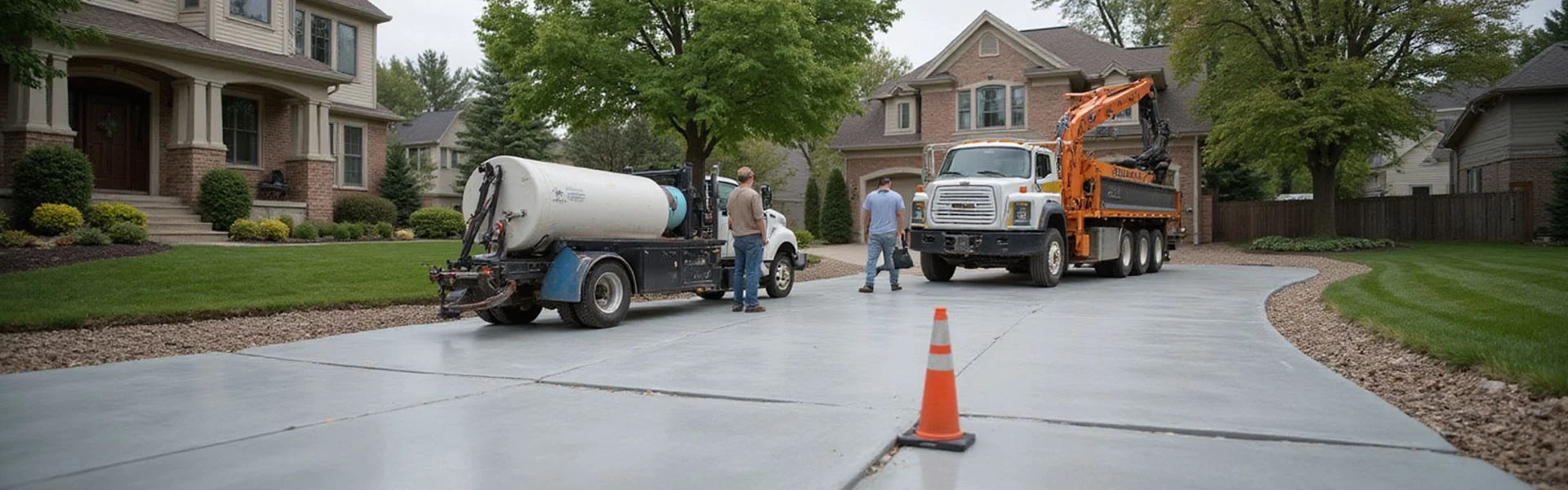
Have a slab to lift? Let's take a look.
Free, no-obligation on-site estimate. If we can't fix it, you don't pay.